Highlights from 2026 so far!

We’ve been busy this year so far making waves to protect neighborhoods from pollution and environmental threats, from polluting data centers and toxic pollution to leaky landfills and the proliferation of petrochemical plants.
We know that local grassroots action is vital to creating greener, healthier communities across the county, and we wouldn’t be able to do this work without your support to empower local communities with the skills they need to take on these challenges.
I wanted to share some of our favorite stories that you helped make possible.
Thanks for all you do!
Leigh-Anne Cole
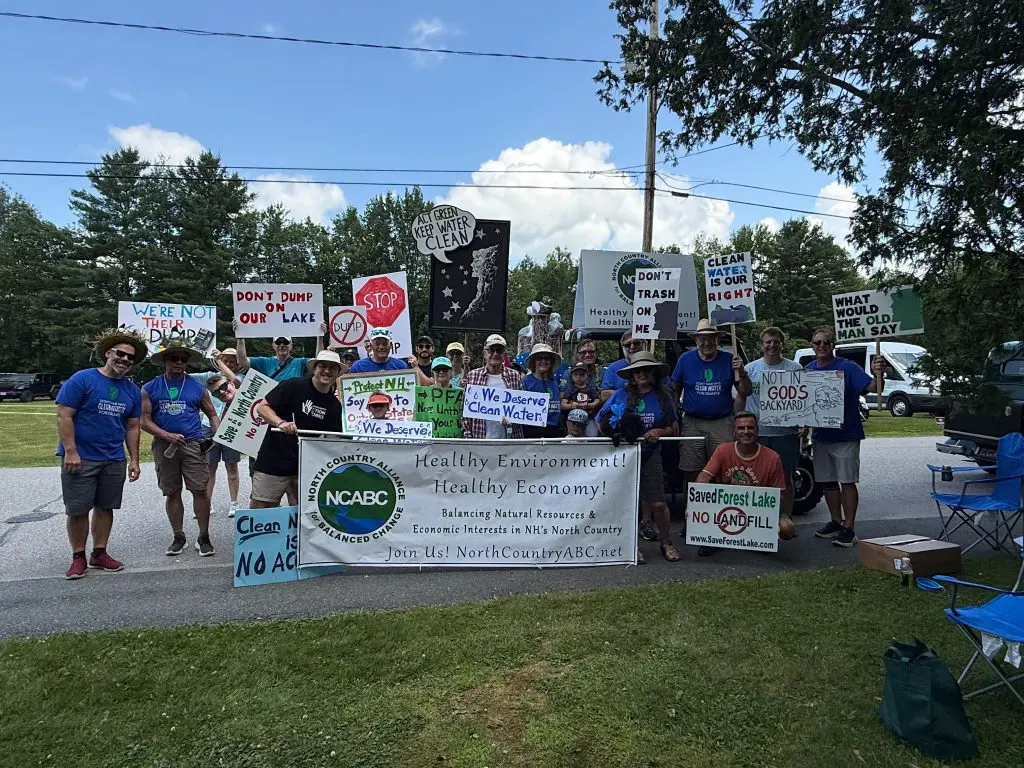
NCABC helps New Hampshire to pass a landmark landfill siting reform bill over the goal line in the house—having earlier passed a major hurdle in the senate, with the Governor expected to sign. HB 707, as amended, establishes a Solid Waste Site Evaluation Committee to consider broad community impacts not previously included in permitting large waste facilities. It also mandates regional and effective public participation in decision-making—something NCABC has sought through multiple legislative sessions.
It upholds the town of Bethlehem’s zoning and settlement agreements with Casella Waste Systems. Those agreements prevent the company from further expansion of their existing landfill. Forced expansion has been an imminent threat since last year’s legislative session.
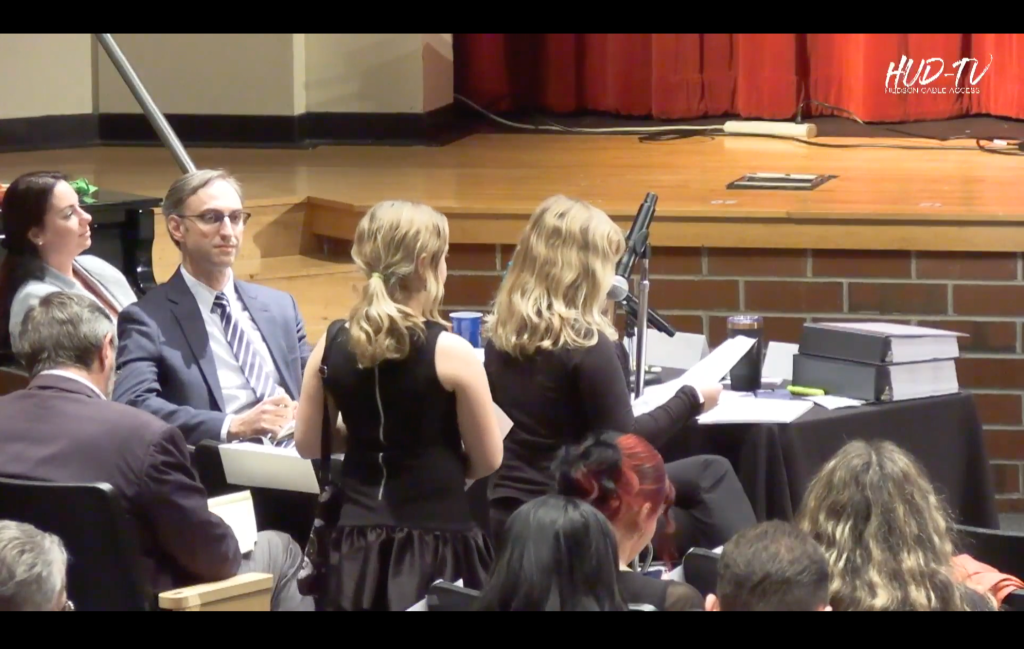
Hudson, MA Community members take on landfill expansion
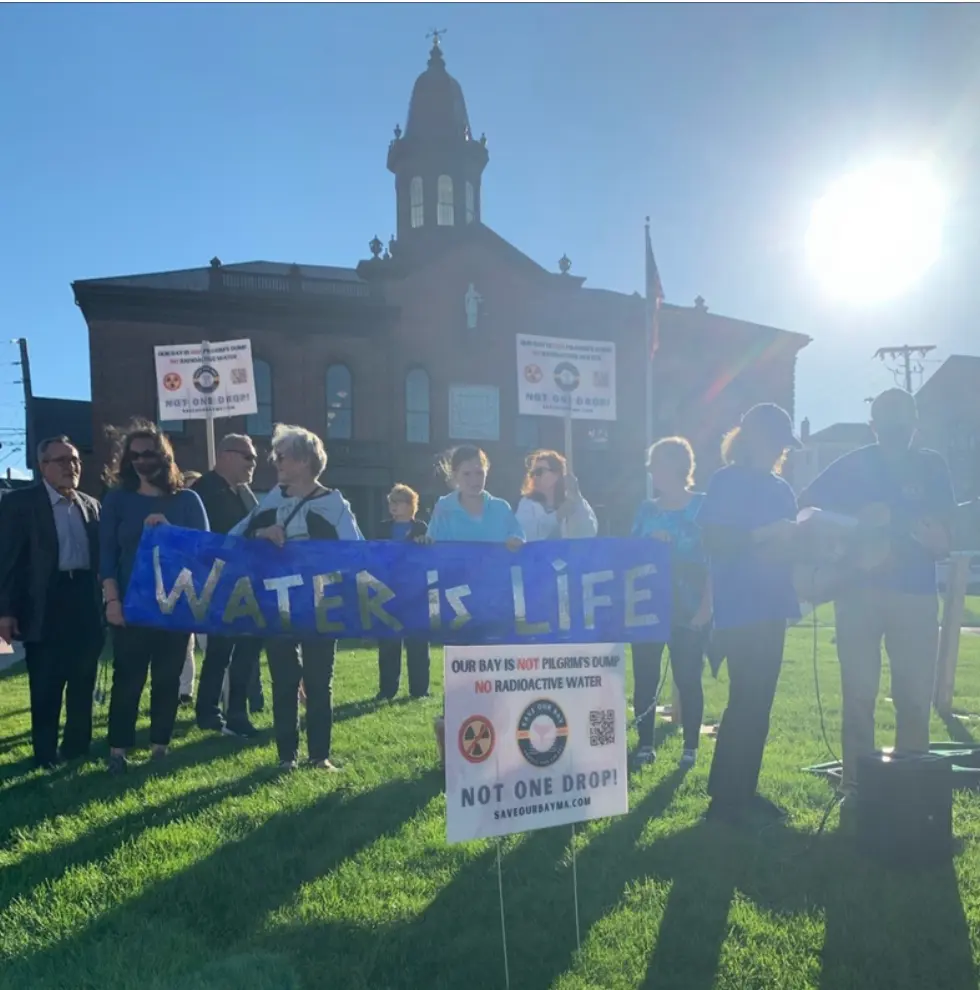
Community organizers in Hudson, Mass., helped turn out over 150 residents to a public hearing about a proposal to expand a landfill that would more than double trash intake from 350 to 850 tons per day. Over 40 residents testified against the proposal at the hearing. Two elementary students also testified, saying, “We don’t want the transfer station because we would get sick from the polluted air…” The public hearing was continued and there will be another opportunity for public comment. In the meantime, organizers are working to build momentum and increase resident turnout to stop the transfer station and protect the health of residents.

More community action and protections passed at annual town meeting in Templeton, MA
Community members in Templeton MA made more progress protecting their community by passing citizen petitions at their annual town meeting to get stronger protections and requirements for polluting facilities for activities toxic chemical recycling, pyrolysis and more . They also were able to get majority support from attendees at the town meeting to pass a year-long moratorium on data centers to make sure the town has time to come up with rules and requirements to protect their community from the potential impacts of these type of facilities. Great work by Templeton Community Against Toxic Waste on rallying and doing outreach to educate their community to help get these petitions across the finish line.
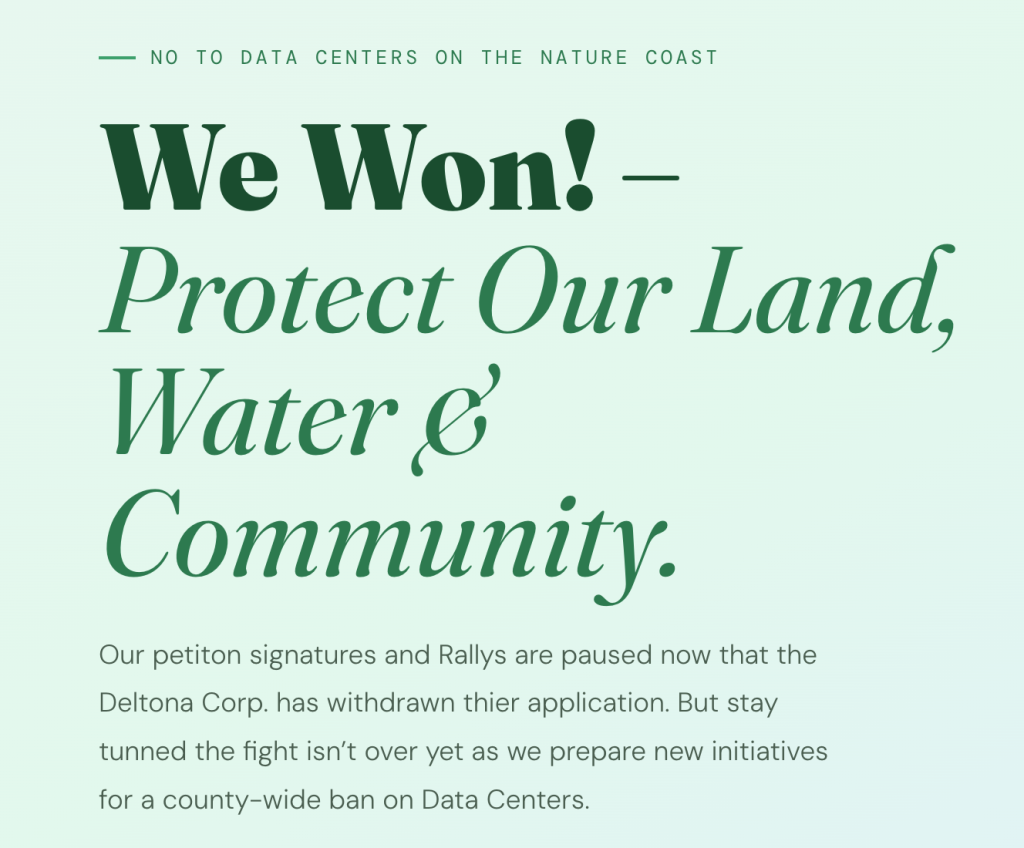
Citrus County, FL unanimously passes a year-long moratorium on data centers. Community members in Citrus County, FL were concerned about hearing about a proposed large-scale data center project. They were especially concerned about water usage and proximity to sensitive ecosystems, electricity demand and potential cost impacts to residents, and minimal long-term job creation vs. infrastructure burden.
They were able to build broad support, holding education events, distributing flyers and posting on social media to spread the word, and were able to line up dozens of speakers at a key public hearing, where the city county commission unanimously approved a yearlong freeze on new AI data center rezoning applications.
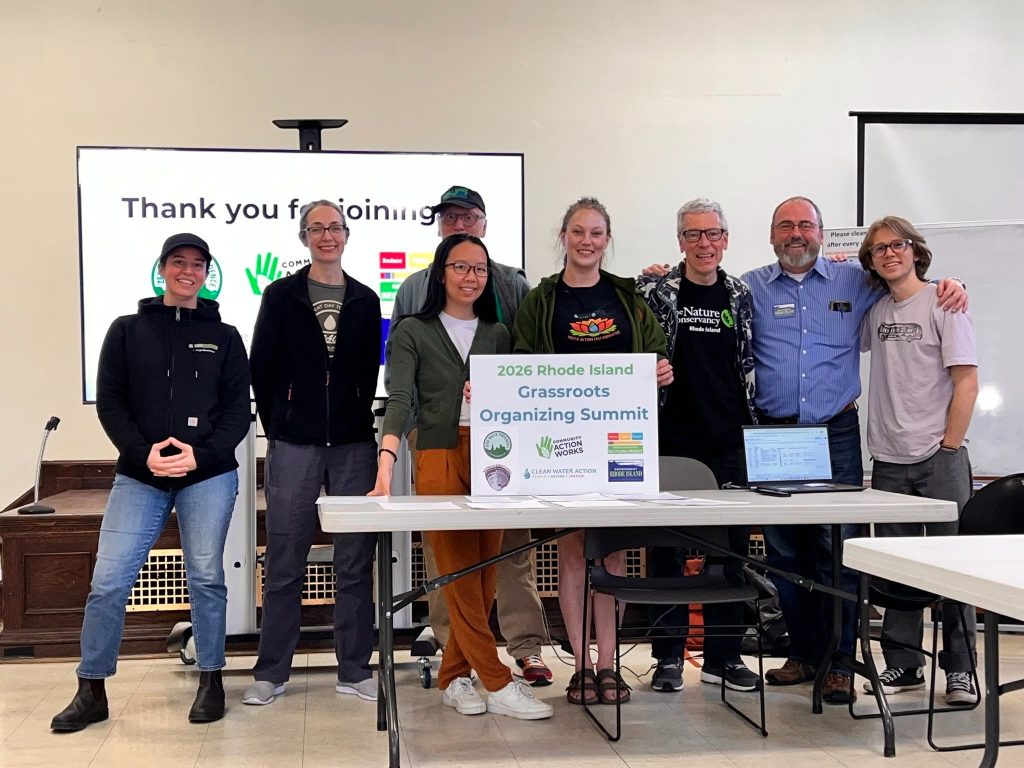
Four Community organizing summits, from Rhode Island, Southwest PA to North Carolina!
We gathered 150 community members New students and more together in Providence RI, Pittsburgh, PA, New Brunswick, NJ and Raleigh, NC for free-day long trainings to help provide opportunities for folks to learn about environmental threats facing communities from data centers, plastic pollution, climate change and more, local strategies and solutions to take these on, as well as opportunities for folks to connect and build opportunities to collaborate and build their power moving forward.


Community Action Works along with Environment North Carolina, Research and Policy Center create “Solar Organizing Playbook”
Rooftop solar is good for the environment and consumers. It reduces our dependence on polluting fuels and eases strain on the grid during periods of high demand. Rooftop solar, especially when coupled with energy storage, can increase resilience to threats like extreme weather – all at steadily falling costs.
A quarter of all North Carolinians live in a home governed by an homeowner’s association (HOA). Which have presented challenges for homeowners who are pursuing solar.
The toolkit aims to equip community members with a step-by-step organizing plan to overcome restrictive HOA solar policies. Check out the toolkit here.

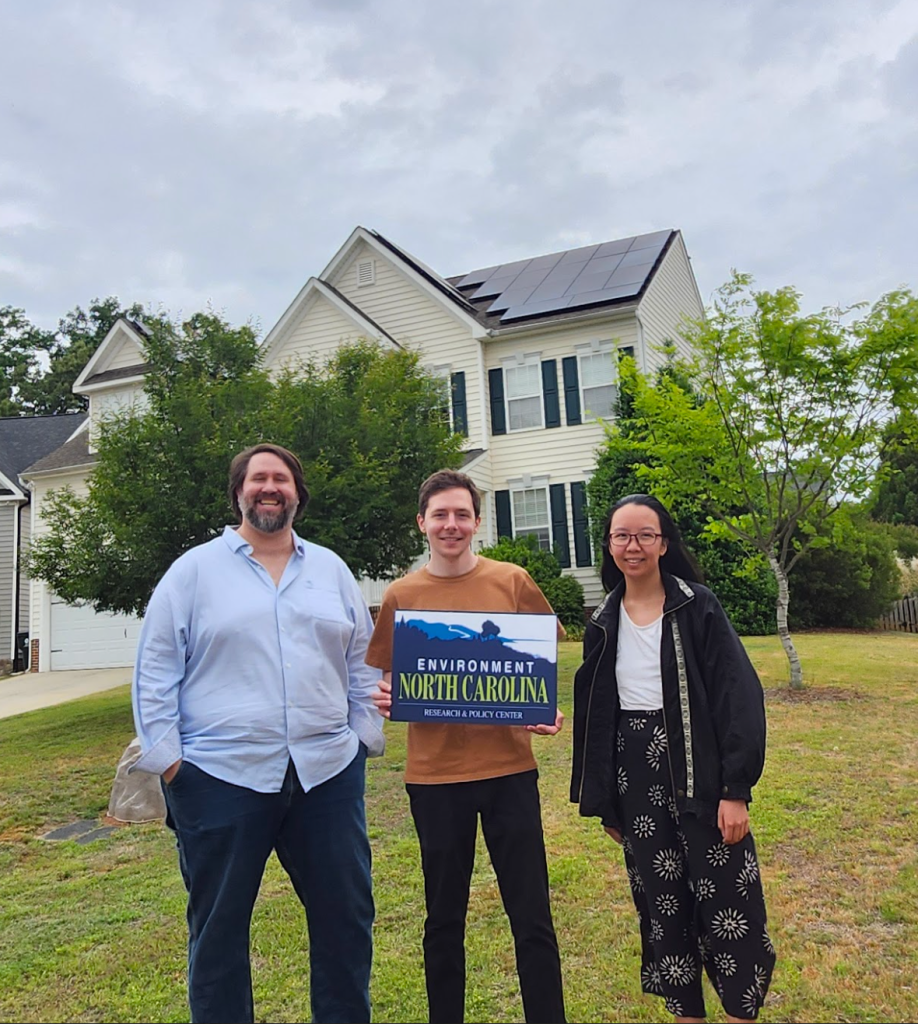
A highlight from the toolkit was including a powerful case study from a resident, Jack Gerdeman who lives in Holly Springs, North Carolina, who wanted to put solar on his home to reduce his contribution to carbon emissions. Pictured to the left, Joyce Fang, Community Organizer, Community Action Works (right), Sam Hartz, Solar Strong Associate, Environment North Carolina (middle), toured Jack’s (left) home to hear and document his story on he ran into challenges from his HOA that prevented him from installing solar panels on his roof. Jack built support from his neighbors. Eventually, because of the support Jack built, they were able to overturn the HOA’s restrictions and helped grow solar in the neighborhood.
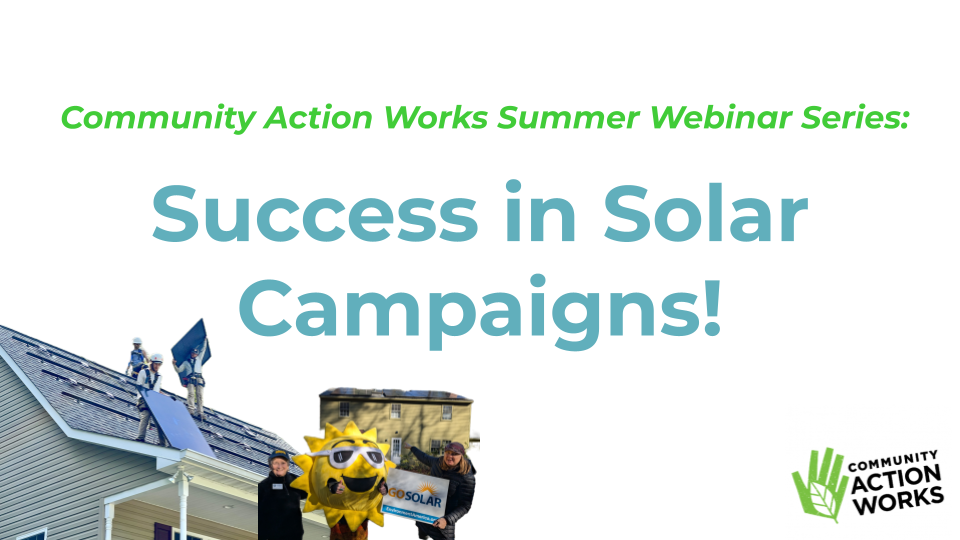
Solar Tour at Burkett Farm (pictured right) We joined Environment North Carolina at Burkett Farm for an exciting solar tour, exploring opportunities for energy resiliency and sustainable agriculture on farms.
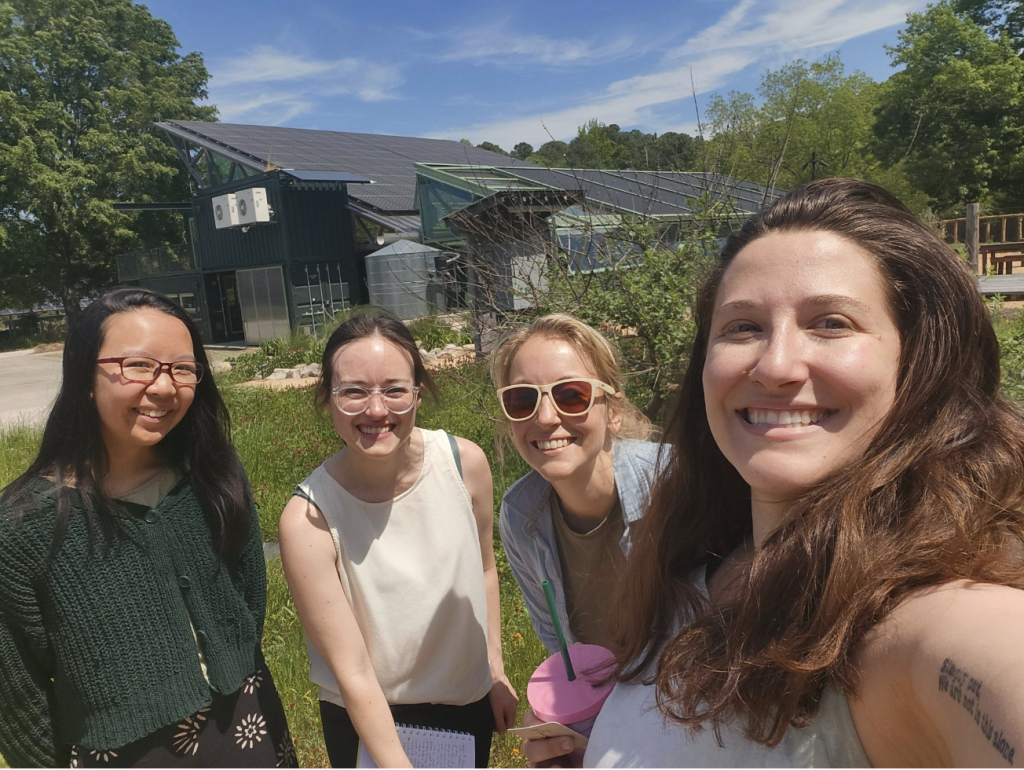

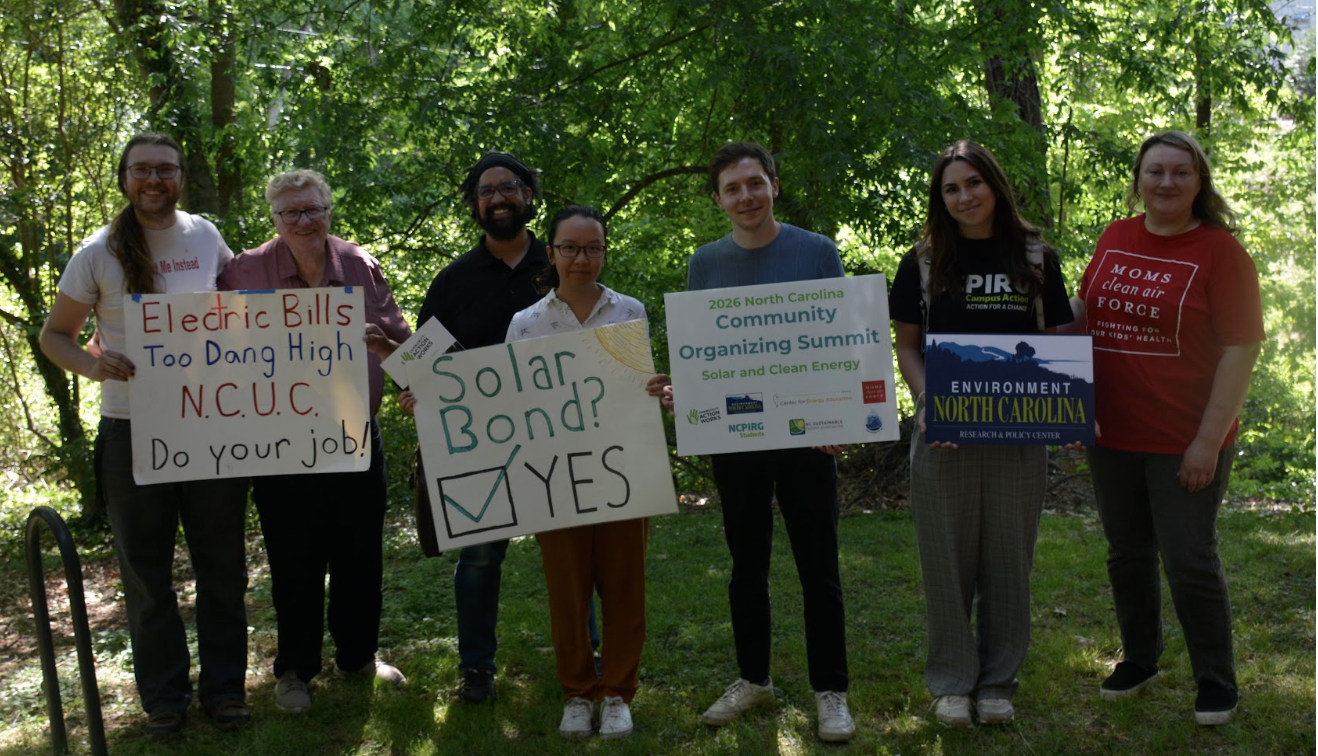
North Carolina Community Organizing Summit 2026 We gathered 15 students, advocates, and community leaders working to grow renewable energy across the state for a day of workshops, networking, and panels to get trained in the grassroots organizing skills to build a cleaner, greener future.
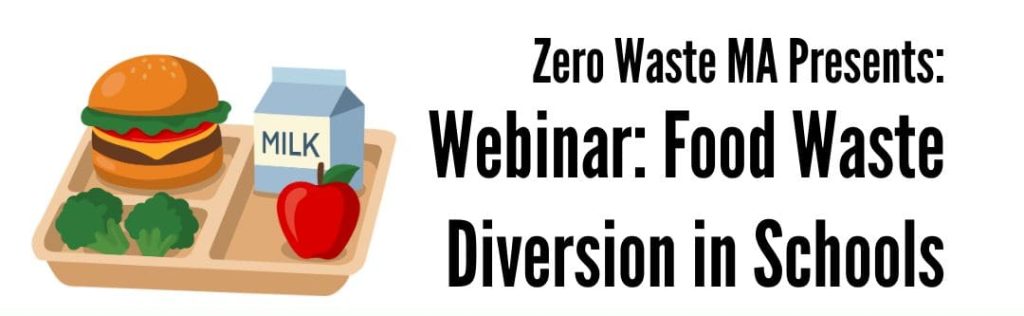
Webinar: Massachusetts schools are fighting food waste
On March 5, Community Action Works and the Zero Waste Massachusetts coalition hosted the “Food Waste Diversion in Schools” webinar. We were joined by 50 attendees who learned about how schools are addressing food waste in Massachusetts.