Highlights from the 2025 Georgia Community Organizing Summit

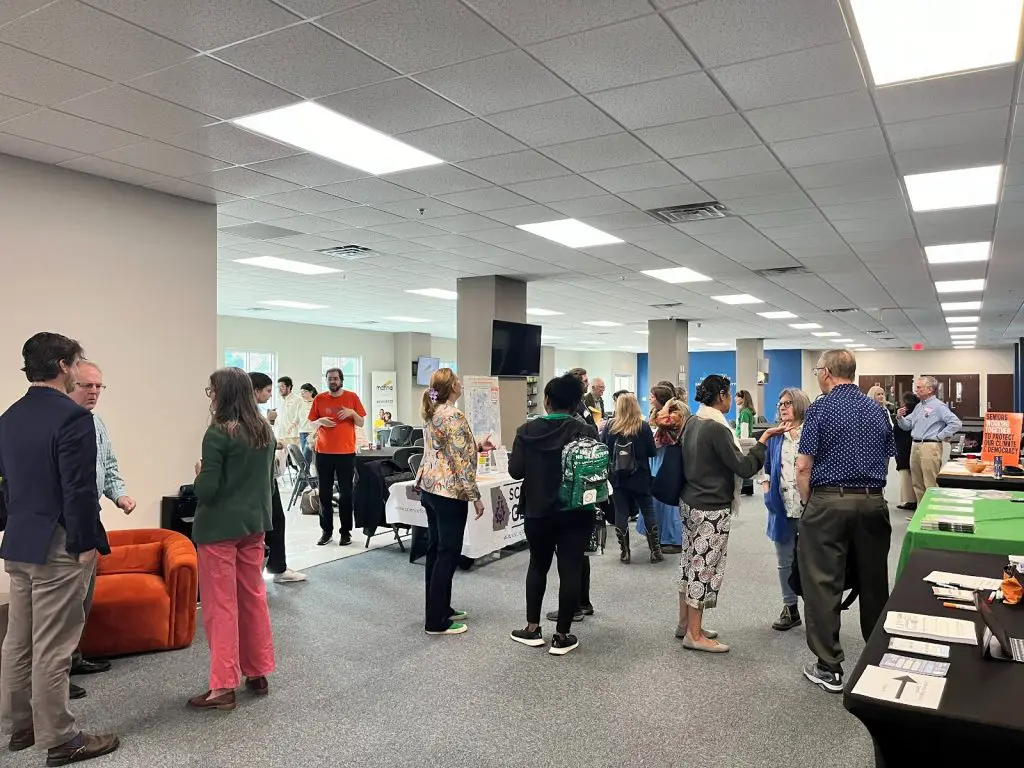
On November 8th, we hosted the 2025 Georgia Organizing Summit alongside our partners in Panthersville, GA. We were joined by local community members, organizers, advocates, experts, and students who shared campaigns and organizing stories and networked through panels and workshops.

We gathered over 50 local leaders at the New Life Community Center in Panthersville, Georgia. The summit included community leaders who have mounted campaigns to fight data centers, cryptomines, toxic chemical recycling, and more.
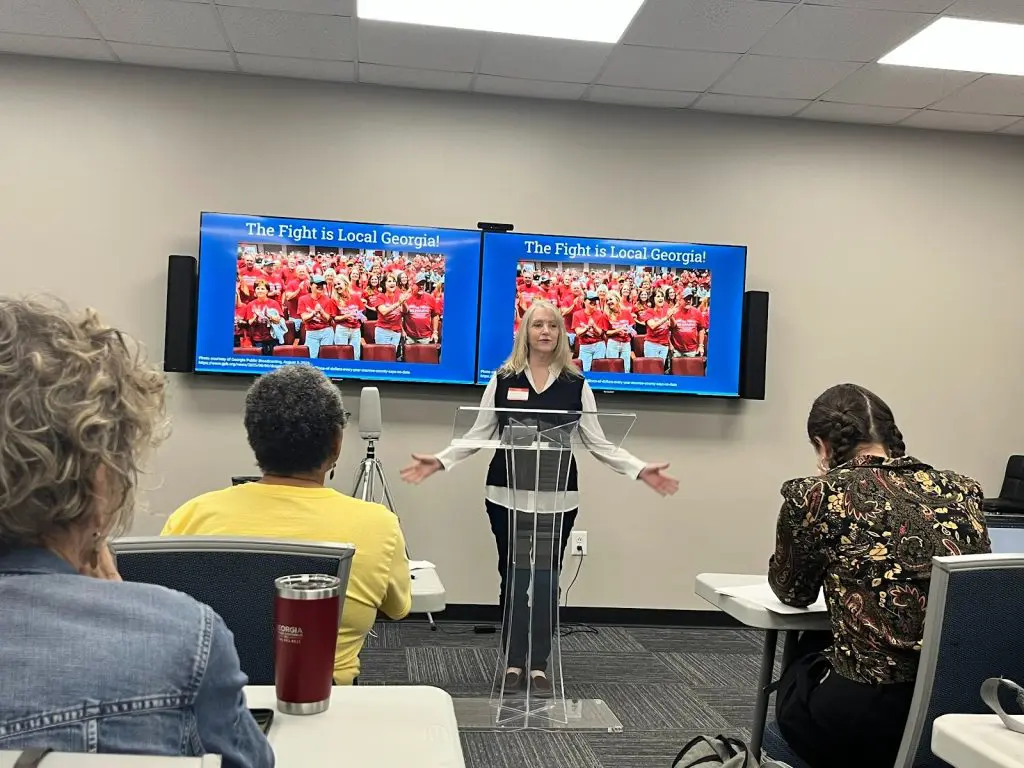
Cyndie Roberson, National Coalition Against Cryptomining Board Member, served as our keynote speaker. She shared her personal story, in her words: “the tale of two cabins” where her entry into organizing against cryptomines happened not only when she found her dream home in Cherokee County, North Carolina, but again when she moved to Gilmer County, Georgia. She highlighted the importance of local organizing led by community members, and how people power is the key to successfully passing moratoriums and ordinances to protect communities from the impacts of cryptomines and data centers. She is now working to assist communities in these fights not only in Georgia, but across the country.
“When we organize we win, seriously…people are coming together and saying no.” – Cyndie Roberson
The first program was a panel session and discussion on the impacts of data centers and cryptomines to communities. Amy Sharma, Science for Georgia Executive Director, gave an overview of data centers and their impacts on communities. Gage Bailey and Cyndie Hutchings, members of the Troup County Anti-Data Center Coalition, talked about their experience forming their community group to fight against the impacts of data centers in their community. Wanda Mosely, Black Voters Matter Fund Senior Coordinator, talked about local strategies and approaches that organizers can use to build successful local movements.

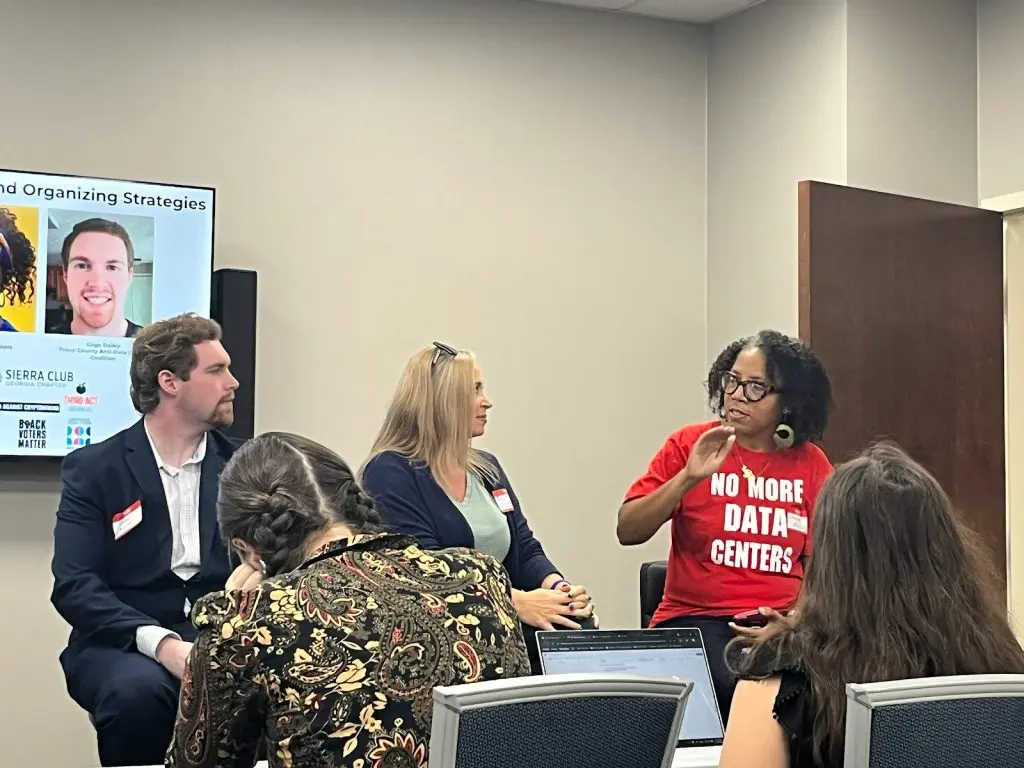
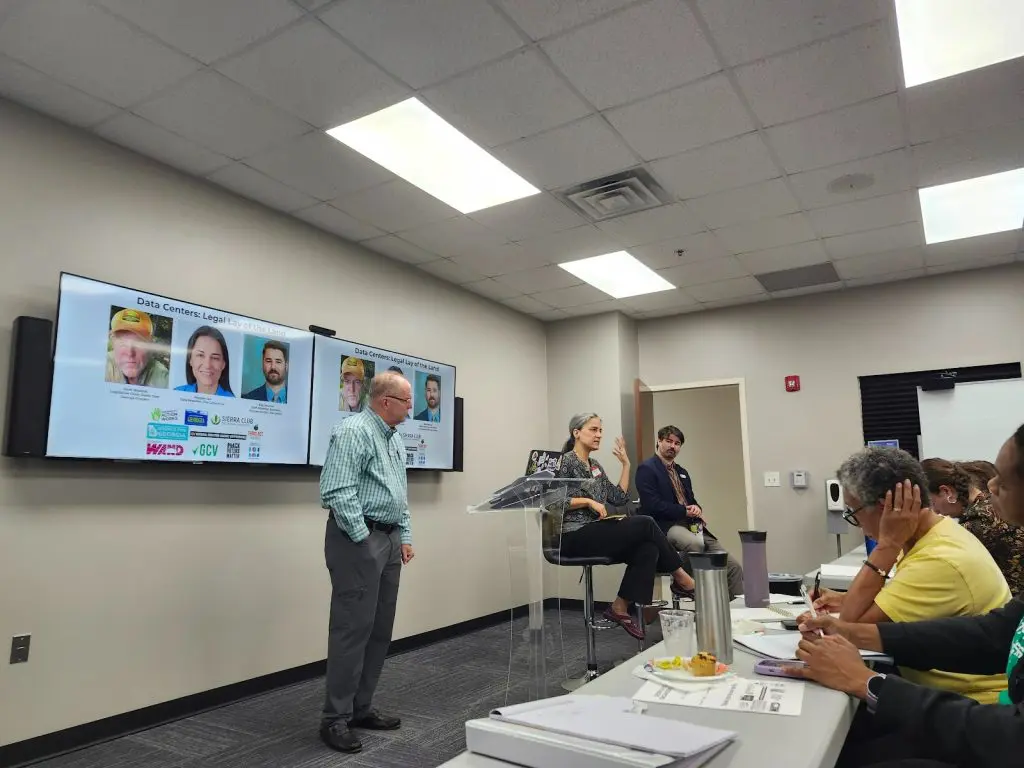
The second program of the day was a panel discussion giving the legal lay of the land around data centers, diving into local town structures and potential legal levers to empower communities. Mark Woodall, Sierra Club Georgia Chapter Legislative Chair, Maggie Lee, The Current GA Data Reporter and Bob Sherrier, Southern Environmental Law Center Staff Attorney all served as panelists.
We also ran an interactive campaign planning workshop helping community members put together a winning campaign plan. We began running through principles behind campaign planning and developing plans to implement in their communities. We went over essential steps including identifying targets for change, making plans to influence these targets, coalition-building, and sharing resources to boost the power of our campaigns. Attendees drafted initial campaign plans on issues such as preserving a conservation area to stop a data center and got feedback from our trainers, Max Haworth, Community Action Works Community Organizer, and Jennette Gayer, Environment Georgia State Director.

April Lipscomb, Southern Environmental Law Center Senior Attorney and Hannah Baker, Sierra Club GA Chapter Chapter Organizer, ran a workshop that dove into local strategies around the proliferation of data centers and cryptomines through discussing ordinances and moratoria. They helped attendees work through how to pass an ordinance or moratorium on these facilities in their own communities.
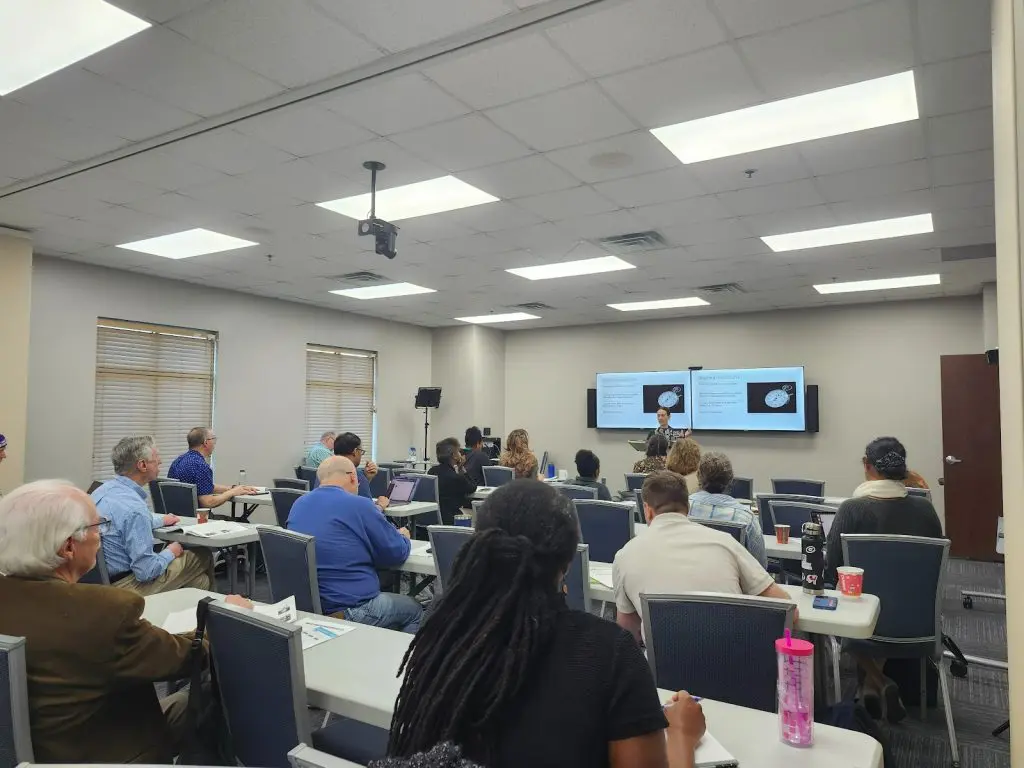
In the last hour of the summit we ran three concurrent sessions.
Organizing Beyond the Campus

Joyce Fang, Community Action Works Community Organizer ran a student-focused workshop on how students can be a part of community campaigns and how to get students to work beyond the campus to build relationships and power.
How to Talk to Your Legislator
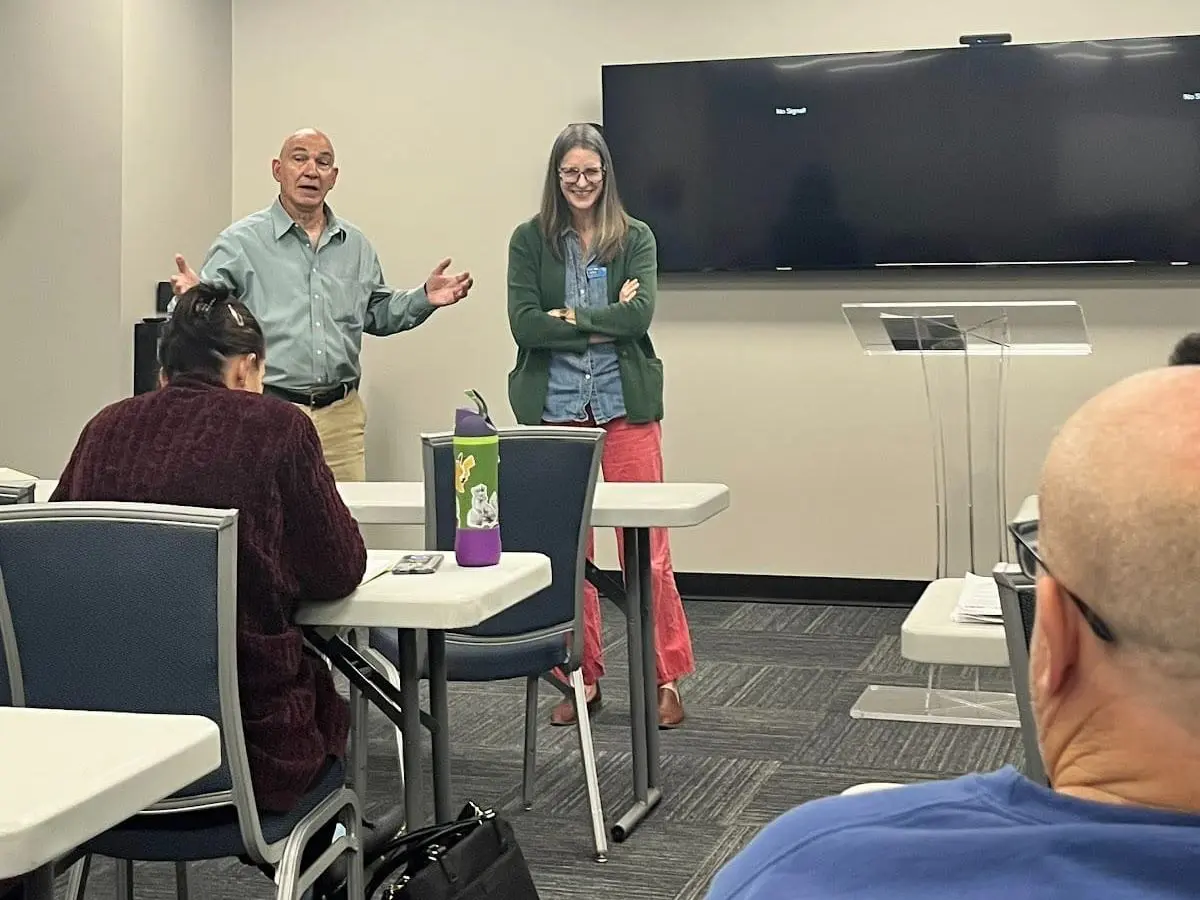
In this workshop, Doug Teper, Georgia League of Conservation Voters Lobbyist and Jennette Gayer, Environment Georgia State Director went over best practices and key principles on how to engage with legislators to make critical change in and beyond our communities.
How to Communicate Complicated Information to your Community

Amy Sharma, Science for Georgia Executive Director, led the How to Communicate Complicated Information to Your Community workshop. The workshop went over how to make the very complicated subject of data centers and cryptomines more approachable to communities to activate community members and decision makers to take action.
There was so much energy throughout the summit. Seeing community organizers, students, advocates and experts sharing their stories, their campaigns; networking and learning from each other was inspiring.
I have no doubt that coming out of the summit, these organizers will be bringing that energy to their own work, whether that be on their campus or in their neighborhood to make real change building healthier and greener communities this year.
If you are interested in finding out how you can support any of these groups, please don’t hesitate to reach out to us.